
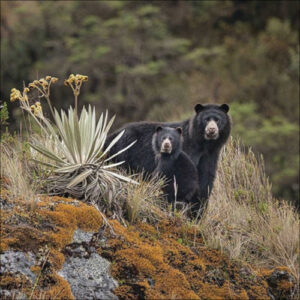
 This expedition is designed for one purpose: to photograph mammals across Ecuador’s most diverse ecosystems.
From the misty cloud forests of Mindo to the high Andes of Bear Canyon, and deep into the Amazon rainforest, this journey connects three of the most important habitats for mammal diversity in South America.
Each ecosystem plays a specific role. Mindo represents the challenge—dense forest, low visibility, and elusive species.
Bear Canyon offers a rare balance between wild conditions and consistent encounters with the Andean bear.
The Amazon completes the experience with scale, diversity, and constant wildlife presence.
This is not a general wildlife tour.
It is a field-based expedition built around timing, behavior, and real opportunities.
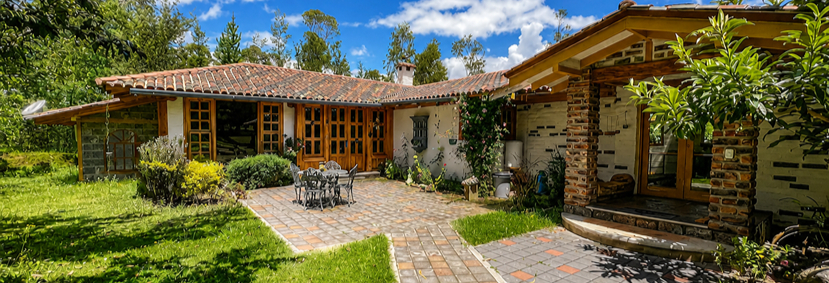
Upon arrival in Quito, you will be met and transferred to Hacienda La Jimenita, located on the eastern side of the city. The property sits within a quiet Andean forest, offering a calm and controlled environment to begin the journey.
This day is intentionally light. After travel, the priority is rest, hydration, and gradual acclimatization to altitude. For those arriving early, a short walk around the property provides a first introduction to Andean vegetation and birdlife, but the main focus remains preparation—checking gear, organizing equipment, and setting expectations for the days ahead.
Meals included: —
Accommodation: Hacienda La Jimenita
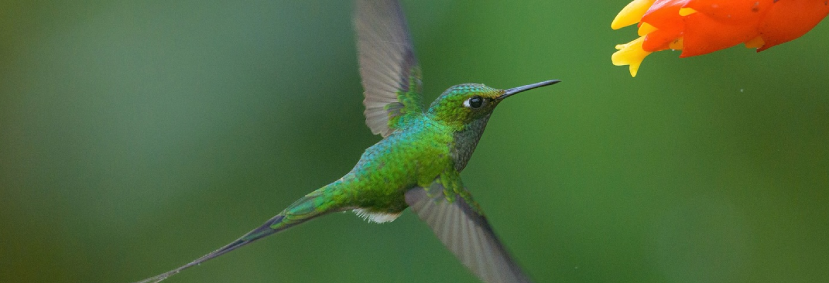
After breakfast, departure toward the Chocó cloud forest, one of the most biodiverse regions on Earth. The drive itself is part of the transition, moving from high-altitude landscapes into increasingly humid and dense vegetation.
The first stop is a hummingbird sanctuary, where multiple species feed at close range. This is not just a scenic stop—it is a controlled environment to calibrate cameras, refine settings for movement, and begin working with light and speed.
A second stop at a butterfly garden shifts the focus to macro opportunities, offering a different photographic approach and a deeper understanding of insect life cycles in the tropics.
As the road continues descending, the forest closes in. Arrival at Bellavista Cloud Forest Lodge in the afternoon, positioned along a ridge overlooking the canopy.
As daylight fades, the forest begins to shift. If conditions are favorable, an evening walk introduces the first attempt at nocturnal observation, setting the tone for what follows.
Meals included: Breakfast, Lunch
Accommodation: Bellavista Cloud Forest Lodge
This day is focused on understanding the cloud forest as a system, not just a location.
During the morning and early afternoon, exploration is slow and intentional. Trails are used to identify feeding trees, fruiting areas, and movement corridors—key elements that increase the probability of mammal encounters later.
Daytime sightings are possible but not expected. The real activity begins after dark.
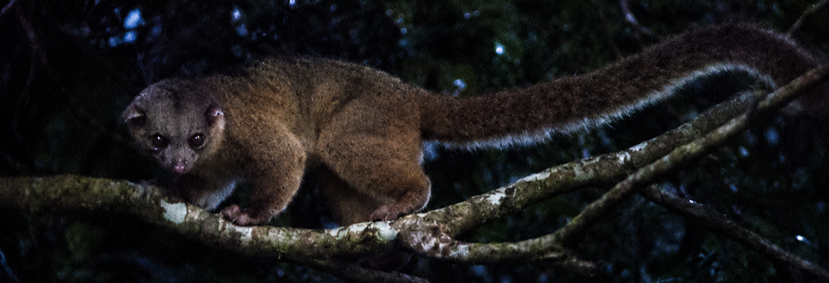
As night falls, the forest changes completely. Temperature drops, humidity rises, and movement begins in the canopy. This is when the search for nocturnal mammals becomes the priority.
With patience and careful scanning, there are opportunities to encounter species such as:
• Tayra (Eira barbara), active and fast-moving
• Western lowland olingo (Bassaricyon medius), an elusive arboreal mammal
• Other small nocturnal species moving through branches
Photography here is demanding—low light, constant movement, and brief windows—but also some of the most authentic moments of the expedition.
Meals included: Breakfast, Lunch
Accommodation: Bellavista Cloud Forest Lodge
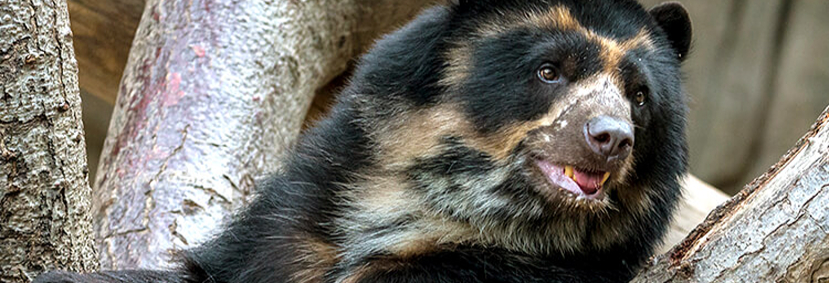
After breakfast, departure toward Bear Canyon, marking a clear ecological shift.
The road climbs steadily out of the cloud forest into the high Andes. Vegetation opens, temperatures drop, and visibility expands. This transition is not just visual—it reflects a complete change in ecosystem and wildlife dynamics.
Arrival at Bear Canyon Lodge, where the tracking team is already working in the field, monitoring bear movement and conditions.
Depending on timing and bear activity, there may be an opportunity for a first descent into the canyon. This is done via aerial tram, followed by a controlled walk to observation areas.
This first encounter is important—not for quantity, but for understanding how the system works.
Meals included: Breakfast, Lunch, Dinner
Accommodation: Bear Canyon Lodge
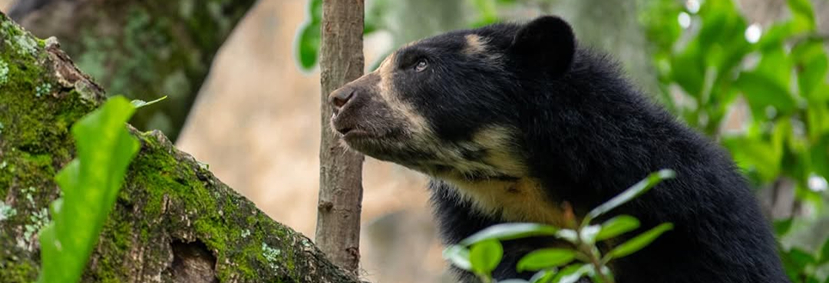
This is the first full day dedicated to Andean bear photography.
There is no fixed schedule. The entire experience is dictated by real-time tracking. Once a bear is located—typically resting or feeding in a tree—the group prepares to move.
Descent into the canyon is controlled and deliberate. Positioning is everything. Silence, distance, and angle determine the quality of the encounter.
Once in place, the experience changes completely. Unlike most wildlife sightings, encounters here can last extended periods. This allows time to observe and photograph:
• Feeding behavior
• Resting patterns
• Grooming
• Movement between branches
Distances typically range between 15 and 90 meters, offering rare photographic conditions in a completely natural environment.
Meals included: Breakfast, Lunch, Dinner
Accommodation: Bear Canyon Lodge
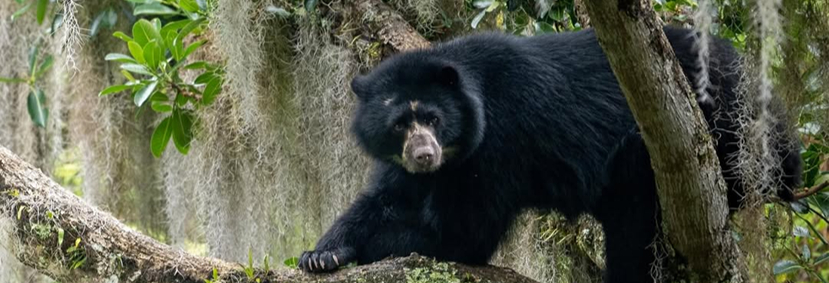
A second full day in Bear Canyon significantly improves outcomes.
With a better understanding of the terrain and animal behavior, positioning becomes more precise. This often leads to longer encounters and more dynamic photographic opportunities.
Multiple bears may use the canyon, increasing the chances of varied interactions. This is typically the most productive day—not because of luck, but because of accumulated understanding.
The pace remains flexible. The bears dictate the rhythm.
Meals included: Breakfast, Lunch, Dinner
Accommodation: Bear Canyon Lodge
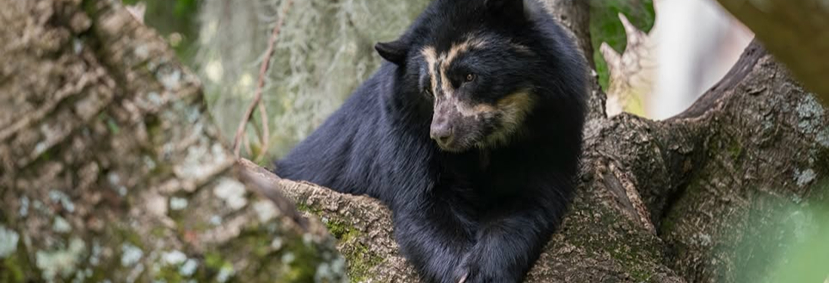
The morning offers a final opportunity for observation, depending on tracking conditions.
After lunch, departure back to Quito and return to Hacienda La Jimenita.
This is a reset day. Time to rest, review images, recharge equipment, and prepare for the final phase of the expedition.
Meals included: Breakfast, Lunch
Accommodation: Hacienda La Jimenita
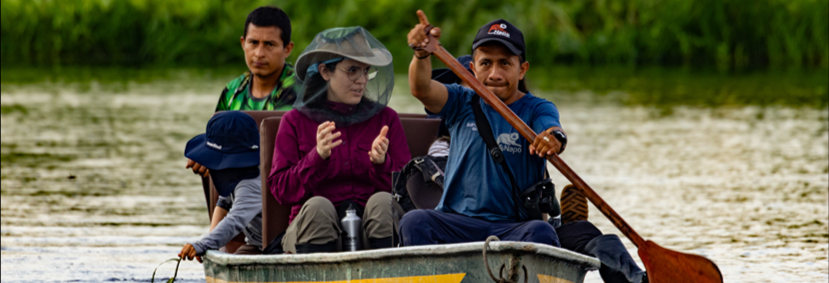
Early transfer to the airport for a flight into the Amazon basin, arriving in Coca.
From there, the journey continues by motorized canoe along the Napo River, followed by a paddle canoe through narrow forest channels. This transition is immersive—wildlife observation begins immediately.
Arrival at Napo Wildlife Center, located on Añangucocha Lagoon, deep within Yasuní National Park.
The setting is remote, quiet, and alive. The forest is no longer something you visit—it surrounds you completely.
Meals included: Breakfast, Box Lunch, Dinner
Accommodation: Napo Wildlife Center
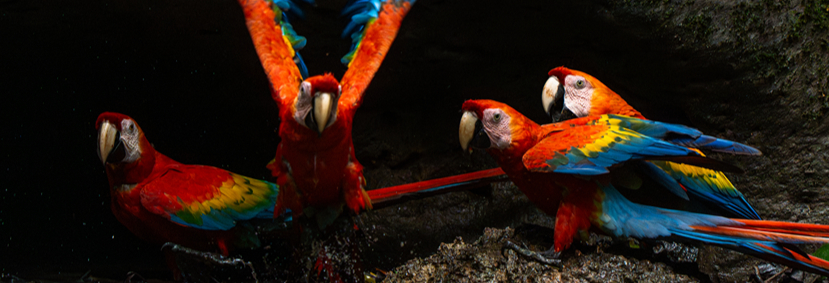
Early departure to one of the most active parrot clay licks in Ecuador, where multiple species gather in large numbers.
After this, the day continues with a mix of cultural and ecological understanding, including a visit to the Kichwa Interpretation Center.
In the afternoon, exploration moves into terra firme forest, where the search focuses on primates and other mammals. Activity levels vary, but the density of life in this ecosystem creates constant opportunities.
Return by canoe provides additional chances to observe wildlife along the water’s edge.
Meals included: Breakfast, Lunch, Dinner
Accommodation: Napo Wildlife Center
The day begins early with access to the canopy tower, offering a rare view into the upper forest levels.
From this vantage point, the probability of observing primates and arboreal mammals increases significantly.
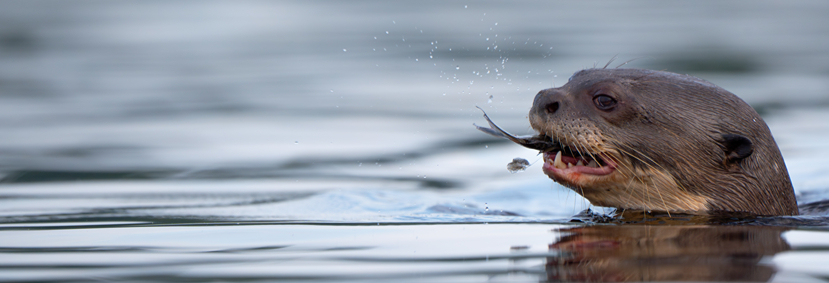
In the afternoon, exploration continues on foot and by canoe, including the possibility of encountering giant otters.
At night, a guided walk focuses on nocturnal activity—completing the full ecological cycle of the forest.
Meals included: Breakfast, Lunch, Dinner
Accommodation: Napo Wildlife Center
Early departure via canoe back to Coca.
Return flight to Quito and end of services.
This marks the conclusion of a journey that moves from difficulty and patience… to consistency… to abundance.
Meals included: Breakfast