
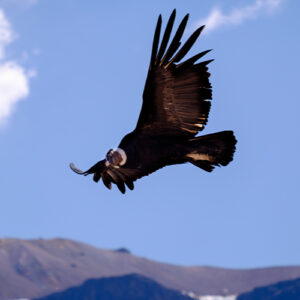
 Embark on a transformative journey through the wild heart of Ecuador, where the snow-capped Andes descend into lush foothill forests and the first whispers of the Amazon. This carefully designed birding and photography expedition takes you across an extraordinary gradient of ecosystems, offering close encounters with rare wildlife and timeless landscapes.
From the windswept páramos of Antisana—where Andean condors soar above volcanic plains—to the misty slopes of cloud forest alive with tanagers and quetzals, and finally into the emerald foothills of Wild Sumaco, each step reveals Ecuador’s unmatched biodiversity.
Each day brings new opportunities: condors silhouetted against mountain skies, antpittas emerging shyly from the undergrowth, mixed flocks igniting the canopy with color, and hummingbirds flashing iridescence at every turn. This is a journey designed for patience, discovery, and connection, where landscapes shift dramatically but nature’s quiet rhythm remains constant.
This is not just a trip—it’s an immersion into Ecuador’s living tapestry, from condors on high to hummingbirds in the shadows of the forest.
Upon arrival in Quito (9,350 feet / 2,850 meters), Ecuador’s capital nestled at the base of the Pichincha volcano, you will be welcomed and transferred to a peaceful lodge in the Puembo area—either Jimenita Eco Lodge or Zaysant Lodge.
These charming eco-lodges feature quiet gardens and forest patches that offer the perfect chance for guests to begin photographing highland species such as Sparkling Violetear, Black-tailed Trainbearer, Vermilion Flycatcher, and Southern Beardless-Tyrannulet.
For early arrivals, a gentle walk around the lodge trails may yield Rufous-collared Sparrow, Blue-and-yellow Tanager, or even the striking Scrub Tanager. This optional activity is ideal to shake off jetlag, test camera equipment, and begin immersing in the rhythm of the Andes. Dinner is not included, and a short orientation session may be provided in the evening depending on group arrival times.
(No meals included)
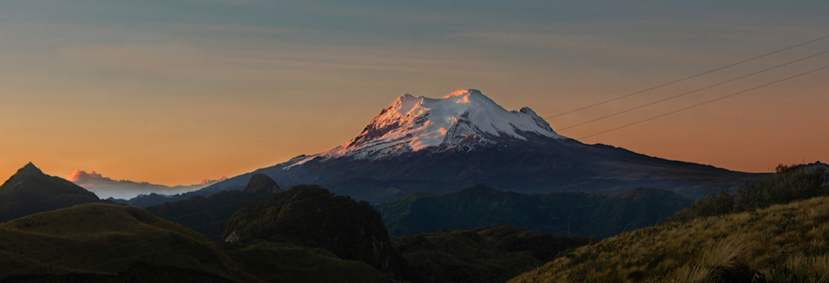
After breakfast, we head southeast toward the high Andean páramo of Antisana Ecological Reserve—one of the most spectacular highland landscapes in Ecuador. Towering above the plains, the snow-capped Antisana Volcano dominates a region of open grasslands, glacial lakes, and rugged ridges that serve as critical habitat for emblematic species of the Andes.
Our main birding destination this morning is La Mica Lake, a serene glacial lagoon nestled within the upper reserve. The lake’s clear waters and surrounding moorlands offer excellent opportunities to spot high-altitude waterbirds such as Silvery Grebe, Andean Teal, Yellow-billed Pintail, and Andean Gull.
Along the surrounding ridgelines, we scan the skies for Andean Condors soaring on thermals, while the open páramo may yield sightings of Carunculated Caracara, Tawny Antpitta, Many-striped Canastero, and the striking Ecuadorian Hillstar feeding on low shrubs. Other possible highlights include Black-faced Ibis, Stout-billed Cinclodes, and raptors like the Black-chested Buzzard-Eagle or Aplomado Falcon surveying the terrain from above.
Following a rewarding morning of birding amid breathtaking volcanic scenery, we enjoy lunch at a local restaurant before continuing our journey eastward. By mid-afternoon, we descend to the lush cloud forests surrounding Termas de Papallacta, a comfortable hot springs lodge nestled in a secluded mountain valley. The rest of the afternoon is open for soaking in the thermal pools, photographing hummingbirds in the gardens, or relaxing with views of the surrounding forested slopes.
Meals: (B, L)
After breakfast we begin early with a drive toward the high páramo landscapes of Cayambe Coca National Park, located just above Termas de Papallacta. This stark yet stunning environment, sitting at elevations above 12,000 feet (3,600 meters), offers a completely different birding experience—set among rolling grasslands, scattered Polylepis woodlands, and glacial-fed lakes.
Our primary goal is to find high-Andean specialties such as Ecuadorian Hillstar, Tawny Antpitta, Carunculated Caracara, and the cryptic Many-striped Canastero. Other possible species include Andean Tit-Spinetail, Chestnut-winged Cinclodes, Rufous-bellied Seedsnipe, and Stout-billed Cinclodes. Overhead, we scan for soaring Andean Condors, Variable Hawk, and Black-chested Buzzard-Eagle.
We make slow progress along the páramo tracks to allow for photography, as the light and scenery here are unique. Optional pre-dawn departure may be arranged to catch the golden hour as the sun rises over the high ridges.
Then we begin our descent toward the eastern slopes of the Andes. Our first stop is Guango Lodge, located at 2,700 meters (8,900 ft) in the temperate forest zone, renowned for its remarkable hummingbird diversity and photogenic river valley.
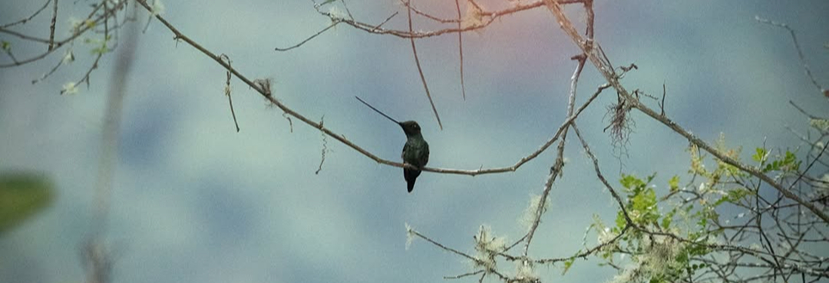
At Guango’s well-stocked feeders, we’ll have opportunities to photograph iconic species such as Sword-billed Hummingbird, Tourmaline Sunangel, White-bellied Woodstar, Buff-winged Starfrontlet, and Tyrian Metaltail. A short walk along the nearby trails or riverside may reveal specialties like Torrent Duck, White-capped Dipper, and Masked Trogon, as well as mixed flocks including Cinnamon Flycatcher, Black-capped Hemispingus, and Mountain Wren.
We enjoy lunch at the lodge and continue our journey down the eastern slope, following a scenic route through montane forest and river valleys. In the afternoon, we arrive at Cabañas San Isidro, located at 2,050 meters (6,800 ft) in the heart of the Quijos Valley. After check-in, the rest of the day is open for birding around the lodge grounds and trails.
Dinner is served in the rustic main house, followed by a relaxed checklist session and conversation beside the fire. (B, L, D)
Today is devoted to exploring the rich montane forests surrounding San Isidro Lodge, one of Ecuador’s most productive birding hotspots. With over 300 species recorded in the area and easy access to a variety of elevational zones, this site offers exceptional opportunities for both forest birding and creative photography.
We begin with morning walks along the lodge’s private trails and forested roads, where mixed flocks often produce a vibrant flurry of activity. Typical sightings include Crimson-mantled Woodpecker, Montane Foliage-gleaner, Black-billed Peppershrike, Cinnamon Flycatcher, White-tailed Tyrannulet, and the dazzling Saffron-crowned Tanager. The undergrowth is ideal for spotting secretive ground dwellers such as Slate-crowned Antpitta, White-bellied Antpitta, and Ash-colored Tapaculo.
After lunch at the lodge, guests may choose to continue birding around the trails or join an optional afternoon excursion tailored to specific interests and target species:
Option 1: Las Brisas – Located at a slightly lower elevation, Las Brisas offers more open terrain and chances to see Masked Trogon, Green Jay, Highland Motmot, and possibly the striking Red-hooded Tanager. A box lunch is provided for this outing.
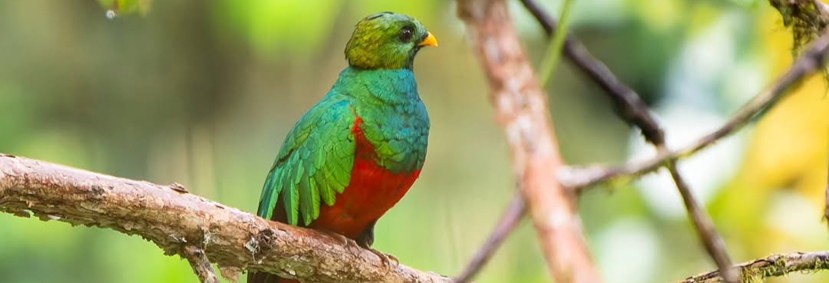
Option 2: Quetzal Ridge – For those staying closer to the lodge, this higher elevation trail system winds through misty forest and offers excellent views of Golden-headed Quetzal, Powerful Woodpecker, and Long-tailed Antbird, with opportunities for landscape photography as well.
We return to the lodge in the late afternoon. As dusk settles over the forest, we once again listen and watch for nocturnal activity near the cabins. Highlights may include Rufous-banded Owl, Andean Potoo, and—with luck—a repeat encounter with the mysterious San Isidro Owl.
Dinner is served in the main house, followed by a relaxed checklist session and fireside conversation. (B, L, D)
After breakfast at San Isidro Lodge, we begin our journey southeast toward the lush Andean foothills of eastern Ecuador. This scenic overland transfer descends gradually from the subtropical forest of the Quijos Valley into warmer, more humid elevations, where the landscape shifts toward the edge of the Amazon basin.
Along the way, we make strategic birding stops at forested sections of the road and river overlooks, scanning for raptors such as Barred Hawk, Black Hawk-Eagle, or Swallow-tailed Kite, as well as possible sightings of Andean Motmot, Golden-olive Woodpecker, and Green-backed Hillstar. If conditions and group energy allow, we may explore short trails or stop at a lookout for photography and species scouting.
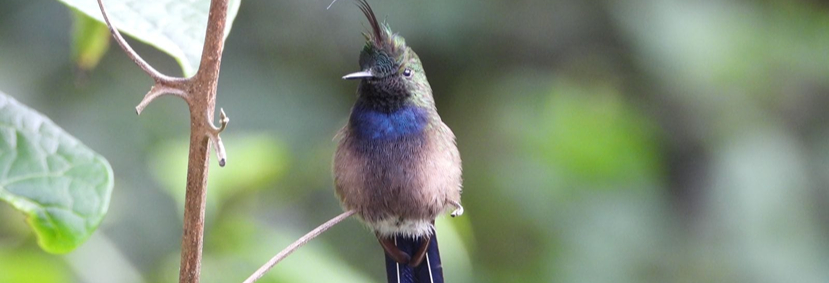
By mid-afternoon, we reach Wild Sumaco Lodge, perched at 1,500 meters above sea level and nestled within a lush transition zone between Andean and Amazonian ecosystems. The lodge grounds, surrounded by forest and gardens, are already alive with activity. Feeders near the main house attract hummingbirds such as Violet-headed Hummingbird, Golden-tailed Sapphire, Wire-crested Thorntail, and Sparkling Violetear, offering perfect light and proximity for photographers.
After check-in and some rest, we enjoy a short walk around the lodge’s immediate surroundings. Species like Blue-rumped Manakin, White-tipped Sicklebill, Olive-backed Woodcreeper, and Golden-eared Tanager are often seen nearby. As night falls, we listen for the calls of Blackish Nightjar, Common Pauraque, or even the haunting cry of a distant Spectacled Owl.
Dinner is served at the lodge’s panoramic dining area, followed by a relaxed planning session for tomorrow’s full day of exploration. (B, L, D)
Today is devoted entirely to exploring the remarkable biodiversity surrounding Wild Sumaco Lodge, a hidden gem nestled in one of the least-disturbed birding regions of Ecuador. Located in a unique ecological transition zone between the Andean foothills and the upper Amazon basin, this reserve provides access to an exceptional mix of endemic, range-restricted, and Amazon-influenced species.
We begin the day with a dawn session at the lodge’s feeders and garden trails, where the soft morning light offers ideal conditions for photography. Species frequently visiting the feeders include Golden-tailed Sapphire, Rufous-vented Whitetip, Gorgeted Woodstar, Many-spotted Hummingbird, and Wire-crested Thorntail, while the surrounding vegetation often reveals Booted Racket-tail, Sparkling Violetear, and Andean Cock-of-the-rock calling from hidden perches.
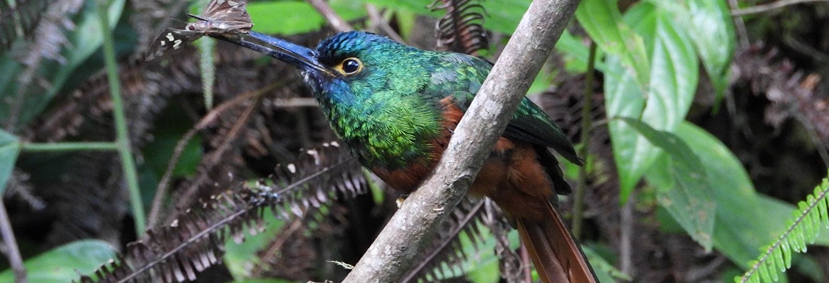
As we venture onto the reserve’s network of forest trails and roadside viewpoints, we focus on locating specialties such as Coppery-chested Jacamar, Foothill Elaenia, Scarlet-breasted Fruiteater, Gray-tailed Piha, and Black-streaked Puffbird. Understory flocks may include Chestnut-crowned Foliage-gleaner, White-crowned Tapaculo, Rufous-rumped Antwren, and Scale-backed Antbird, while fruiting trees attract flocks of Turquoise Tanager, Bay-headed Tanager, and Golden-eared Tanager.
A flexible lunch break—either at the lodge or in the field—allows us to adapt to lighting, weather, and wildlife activity. In the afternoon, we continue birding across varied microhabitats and elevations, maximizing chances to spot elusive species like the Lined Antshrike, Plain-backed Antpitta, or even a group of Military Macaws crossing overhead.
Before sunset, we return to the lodge for a final photography session or casual birding around the cabins. As evening falls, we listen for nocturnal sounds—Blackish Nightjar, Mottled Owl, or Amazon Tree Boa—and for those interested, a night macro session or spotlighting walk can be arranged with the guide.
Dinner is shared back at the main lodge, with time to update our species checklist and reflect on the spectacular encounters of the day. (B, L, D)
Wild Sumaco – Transfer To Quito