
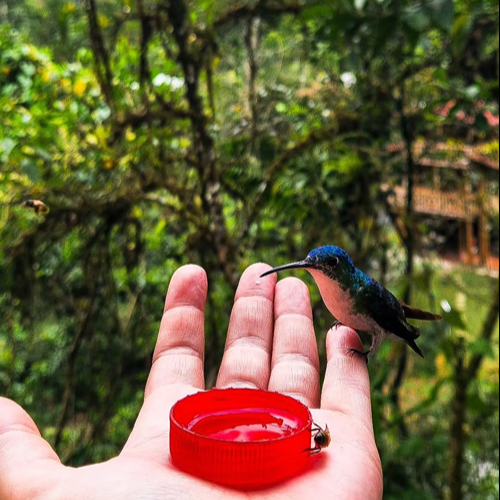
 Embark on a transformative journey into one of the planet’s most biodiverse regions—the Chocó cloud forests of northwestern Ecuador. This carefully crafted birding and photography tour is centered in the Mindo Valley, a sanctuary where misty canopies, rushing rivers, and hidden trails reveal an extraordinary mosaic of life.
Quito serves only as your gateway, but the heart of this adventure beats in the forested slopes of Mindo. Here, you’ll encounter iridescent hummingbirds at intimate feeders, elusive antpittas venturing from the shadows, and mixed flocks of tanagers igniting the canopy with color.
Each day brings a new photographic opportunity: toucans silhouetted against mountain skies, quetzals gleaming emerald at dawn, orchids and butterflies catching shafts of morning light. This is a journey designed for patience, observation, and the quiet art of seeing.
This is not just a trip—it’s an immersion into the still wild heart of the Chocó, where every moment whispers the Earth’s original song.
Upon arrival in Quito (9,350 feet / 2,850 meters), Ecuador’s capital nestled at the base of the Pichincha volcano, you will be welcomed and transferred to a peaceful lodge in the Puembo area—either Jimenita Eco Lodge or Zaysant Lodge. These charming eco-lodges feature quiet gardens and forest patches that offer the perfect chance for guests to begin photographing highland species such as Sparkling Violetear, Black-tailed Trainbearer, Vermilion Flycatcher, and Southern Beardless-Tyrannulet.
For early arrivals, a gentle walk around the lodge trails may yield Rufous-collared Sparrow, Blue-and-yellow Tanager, or even the striking Scrub Tanager. This optional activity is ideal to shake off jetlag, test camera equipment, and begin immersing in the rhythm of
the Andes.
Dinner is not included, and a short orientation session may be provided in the evening depending on group arrival times.
(No meals included)
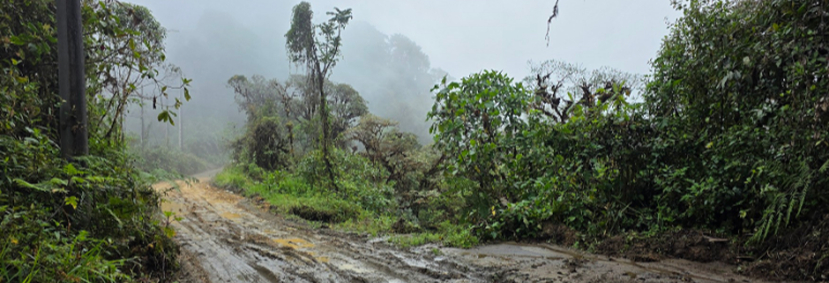
We begin with an early departure for Yanacocha Reserve, perched high on the western flank of the Andes (11,200 feet / 3,400 m). This moss-laden elfin forest is one of the few places on Earth where you may spot the critically endangered Black-breasted Puffleg—Ecuador’s national bird.
While sightings are rare, Yanacocha offers unforgettable encounters with sword-billed hummingbirds, Great Sapphirewing, Shining Sunbeam, Tyrian Metaltail, Buff-winged Starfrontlet, and Golden-breasted Puffleg. The Trocha Inca trail provides excellent light for photography of both hummingbirds and breathtaking landscapes.
As we hike along the scenic trail, mixed flocks may offer sightings of White-throated and White-banded Tyrannulets, Superciliaried Hemispingus, Pearled Treerunner, and various mountain-tanagers including the gorgeous Scarlet-bellied, Black-chested, and Hooded.
After lunch at the reserve, we continue westward, descending the scenic and biodiverse Nono-Mindo Eco Road. This winding descent offers photographic stops and short walks at strategic points, such as Mirador Giaycapi, where species like the Plate-billed Mountain-Toucan, Masked Trogon, or even the elusive White-faced Nunbird may appear.
By late afternoon, we reach the lush lower montane forests of Mindo and settle into Sachatamia Lodge, nestled in the heart of the cloud forest. Its feeders are alive with dazzling hummingbirds like Empress Brilliant, Velvet-purple Coronet, Booted Racket-tail, Violet-tailed Sylph, and Brown Violetear.
Overnight stay at Sachatamia. (B, L, D)
This morning we head to the spectacular Amagusa Reserve, located near the Mashpi area in the heart of the Chocó-Andean biodiversity corridor. This reserve is a haven for photographers and birders alike, featuring well-maintained trails, shaded observation decks, and hummingbird feeders that attract a dazzling array of species.
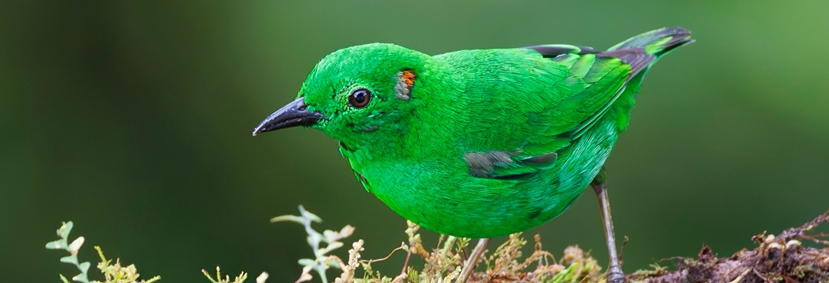
Our primary targets here include Chocó endemics such as Glistening-green Tanager, Moss-backed Tanager, Black-chinned Mountain-Tanager, Orange-breasted Fruiteater, Indigo Flowerpiercer, and Golden-collared Honeycreeper. The feeders and forest edges also offer striking species like the Velvet-purple Coronet, Booted Racket-tail, Violet-tailed Sylph, and Empress Brilliant. Mixed-species flocks frequently sweep through the area, creating bursts of photographic action.
After a flexible lunch (either box lunch or at the nearby Sacha Guatusa reserve), we move to Sacha Guatusa, a smaller private site with excellent feeder setups. This quieter setting is ideal for capturing close-up shots of Crimson-rumped Toucanet, Fawn-breasted Tanager, Green-crowned Brilliant, and Brown Inca. The garden surroundings may also yield White-shouldered Tanager, Golden-naped Tanager, and Rufous-tailed Hummingbird.
Late in the day we return to Sachatamia Lodge, where guests can enjoy an evening edit session or casual birding around the lodge grounds. (B, L, D)
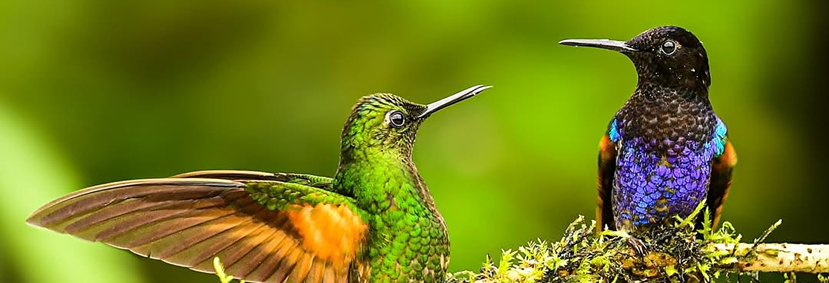
We dedicate this morning to a focused photography session at the Sachatamia hide, a shaded and intimate setup designed for capturing hummingbirds and forest-edge species with ideal light and natural perches.
Species regularly photographed here include Green-crowned Brilliant, Purple-bibbed Whitetip, White-whiskered Hermit, Brown Violetear, and the iridescent Velvet-purple Coronet. The lighting is particularly favorable in the early morning, and subjects often include tanagers, flowerpiercers, and motmots.
Breakfast at Sachatamia. Lunch will be arranged based on the chosen destination, in coordination with your guide to ensure the best logistical and culinary experience:
Option 1: Giaycapi Lodge – Located at mid-elevation in the Mindo Valley, this reserve offers excellent photographic access to one of the most sought-after cloud forest species—the Plate-billed Mountain-Toucan. Visitors may also encounter Golden-headed Quetzal, Masked Trogon, and Strong-billed Woodcreeper. The feeders attract Blue-winged Mountain-Tanager, Flame-faced Tanager, and Black-capped Tanager. The open surroundings and vertical light gaps make this a rewarding spot for telephoto work.
Option 2: Punto Ornitológico (Alcíbar Zaragozín) – A quieter riverside site ideal for photographing riparian specialists such as the elusive Sunbittern, White-capped Dipper, and Torrent Tyrannulet. The trails here also provide views of Crested Guan, Barred Hawk, and occasionally Cloud-forest Pygmy-Owl. This destination is preferred for those focused on capturing unique behaviors and habitat context.
After the excursion, we return to Sachatamia Lodge in the late afternoon. Time permitting, guests may relax on the observation decks, review their photography from the day, or enjoy the last light of the cloud forest from the comfort of the lodge. (B, L, D)
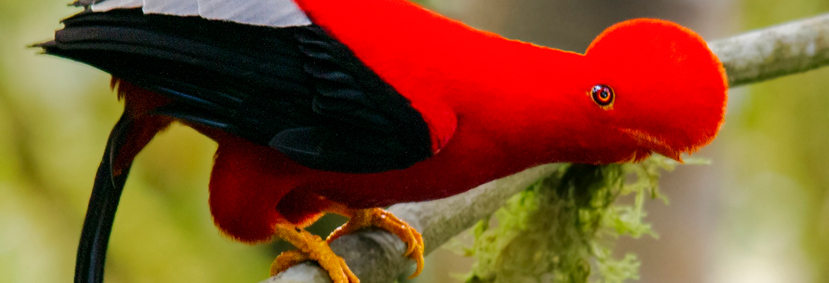
We depart before sunrise for Refugio Paz de las Aves, located in the forested hills near Nanegalito. This world-renowned private reserve is a shining example of community-based conservation, spearheaded by Ángel Paz, who famously built trust with some of Ecuador’s most elusive forest dwellers.
Our day begins at a Cock-of-the-Rock lek, where bright-orange males gather to perform their ritualistic displays in the morning mist—a spectacle of sound, color, and primal energy. As dawn breaks, we follow Ángel and his team through a network of forest trails in pursuit of the reserve’s iconic residents: Giant Antpitta, Moustached Antpitta, Yellow-breasted Antpitta, and possibly Ochre-breasted and Chestnut-crowned Antpittas. These birds, once nearly impossible to see in the wild, now appear just meters away from camera lenses.
Other avian highlights include Andean Guan, Crimson-mantled Woodpecker, Golden-headed Quetzal, Toucan Barbet, and Olivaceous Piha. The reserve’s trails also host fruiting trees that attract mixed flocks of tanagers, and its hummingbird feeders welcome visitors such as Buff-tailed Coronet, Speckled Hummingbird, and Gorgeted Sunangel.
A traditional breakfast is served on-site, often overlooking a hummingbird garden. Lunch will be coordinated en route or upon return to Quito, depending on timing and group preference.
After a relaxed and rewarding morning, we return to Quito in the early afternoon. The drive ascends through cloud forest and returns us to the highlands, with opportunities for scenic photography en route. Overnight at Jimenita Eco Lodge or Zaysant Lodge, where guests can rest, back up potos. (B, L)
Flight Out
 Duration: 5 Days / 4 Nights
 Focus: Birding & Wildlife Photography (Chocó Andes)
 Physical Level: Moderate (Level 3)
 Max Altitude: ~3,400 m (Yanacocha Reserve)